Jonathan Levy Therapy

SPECIALIZING IN:
CHILDHOOD/ADOLESCENCE THERAPY
CHRONIC ILLNESS
INDIVIDUAL THERAPY
ADDICTION
PARENTING/SUPPORT/COACHING
Mission Statement
"Helping individuals, children, teens, and families navigate life's emotional and behavioral challenges. Through a grounded, compassionate approach to therapy, I foster the understanding and growth needed for long-term well-being."

Meet Jonathan Levy:
Jonathan Levy is a licensed marriage and family therapist specializing in child and adolescent therapy. His approach is warm, authentic, and relationship-centered, because meaningful growth starts with trust. He draws on both his years of experience working with youth and his own personal journey in therapy to understand what children and teens are actually up against. When it fits the client, he incorporates experiential approaches, including walk-and-talk sessions and outdoor activities, to help them feel more at ease and engaged. His goal is to help every young person strengthen self-esteem, navigate anxiety, manage life's challenges, and develop the confidence and emotional tools needed for lasting success.
Jonathan earned his master's degree in Psychology from Antioch University and his bachelor's degree in Psychology from the University of Colorado, Boulder. His training at Maple Counseling Center gave him a strong foundation in psychodynamic therapy, which he combines with CBT, narrative, trauma-informed, and mindfulness-based approaches. He is also trained in the Trauma Resiliency Method, which gives him tools to help clients work through anxiety, trauma, and other life stressors while building real resilience.
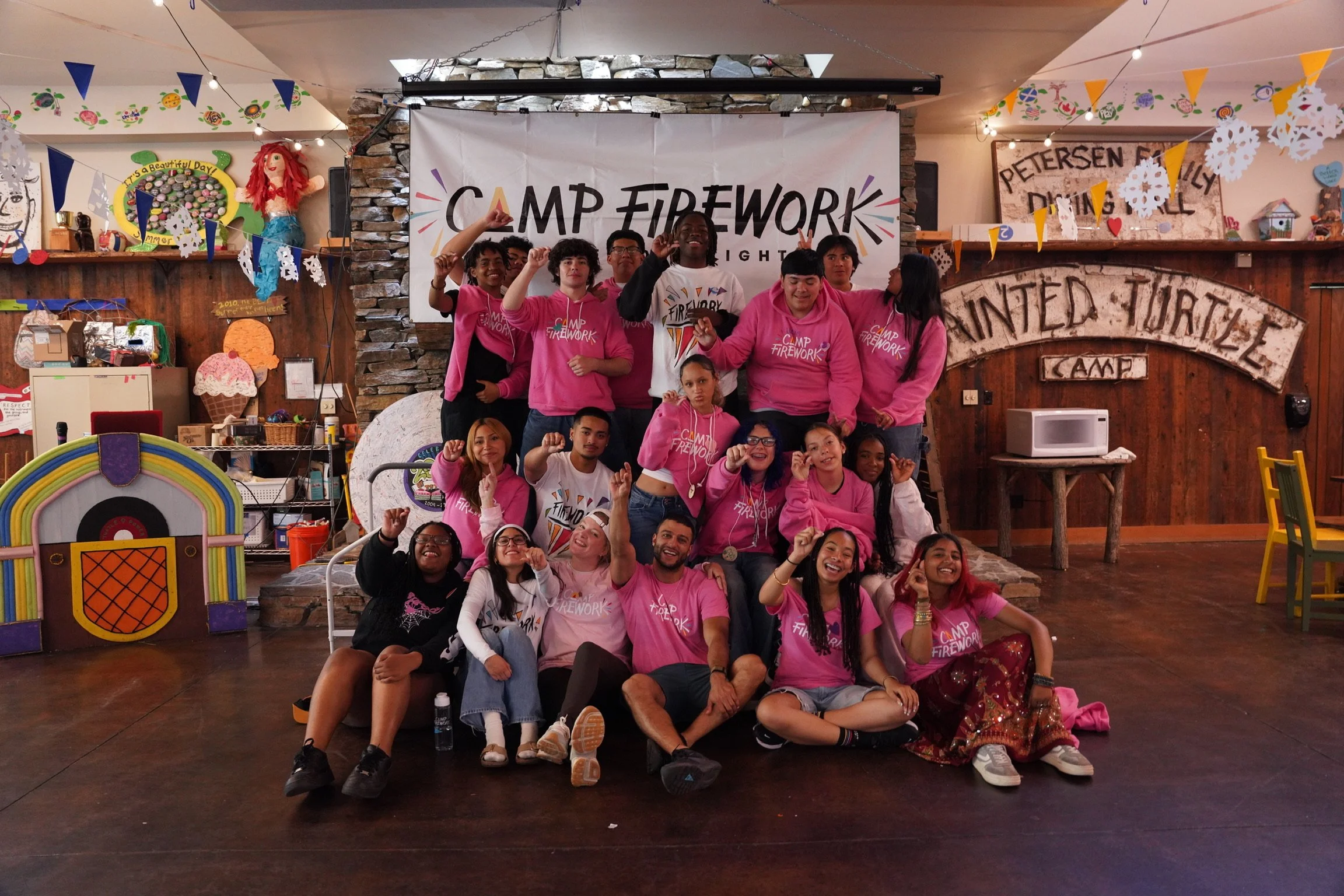
Before private practice, Jonathan worked as a counselor, C.I.T. coordinator, and program coordinator at summer camps and year-round foundations serving underprivileged youth, including The Firework Foundation and Camp Ubuntu. He also taught English in Thailand. Each of those roles shaped how he connects with people from different backgrounds, and that range is part of what he brings into the therapy room.

Methodology

ADHD-Certified Clinical Services Provider
Explanation: Utilizing specialized, evidence-based strategies tailored to support the unique executive functioning, behavioral, and emotional needs of individuals with ADHD.

Psychodynamic Orientation
Explanation: Exploring how a client’s past experiences, early upbringing, and family dynamics actively shape their current emotional patterns, behaviors, and relationships.

Play Therapy
Explanation: Play therapy is a therapeutic approach that helps children express their thoughts, feelings, and experiences through play.
It provides a safe and supportive environment where children can communicate emotions that may be difficult to express with words.

Relational & Experiential Therapy
Explanation: Building a strong connection by meeting clients outside the traditional office setting to engage in activities like playing sports at the park, walking, or rock climbing.

Leadership & Skill-Building Mentorship
Explanation: Empowering older youth and teens by teaching tangible leadership skills, community accountability, and peer-mentorship strategies.
Trauma-Resiliency Model (TRM)
Explanation: A somatic, biologically based approach used to help clients process trauma and stress by learning to regulate their nervous system and track physical sensations.

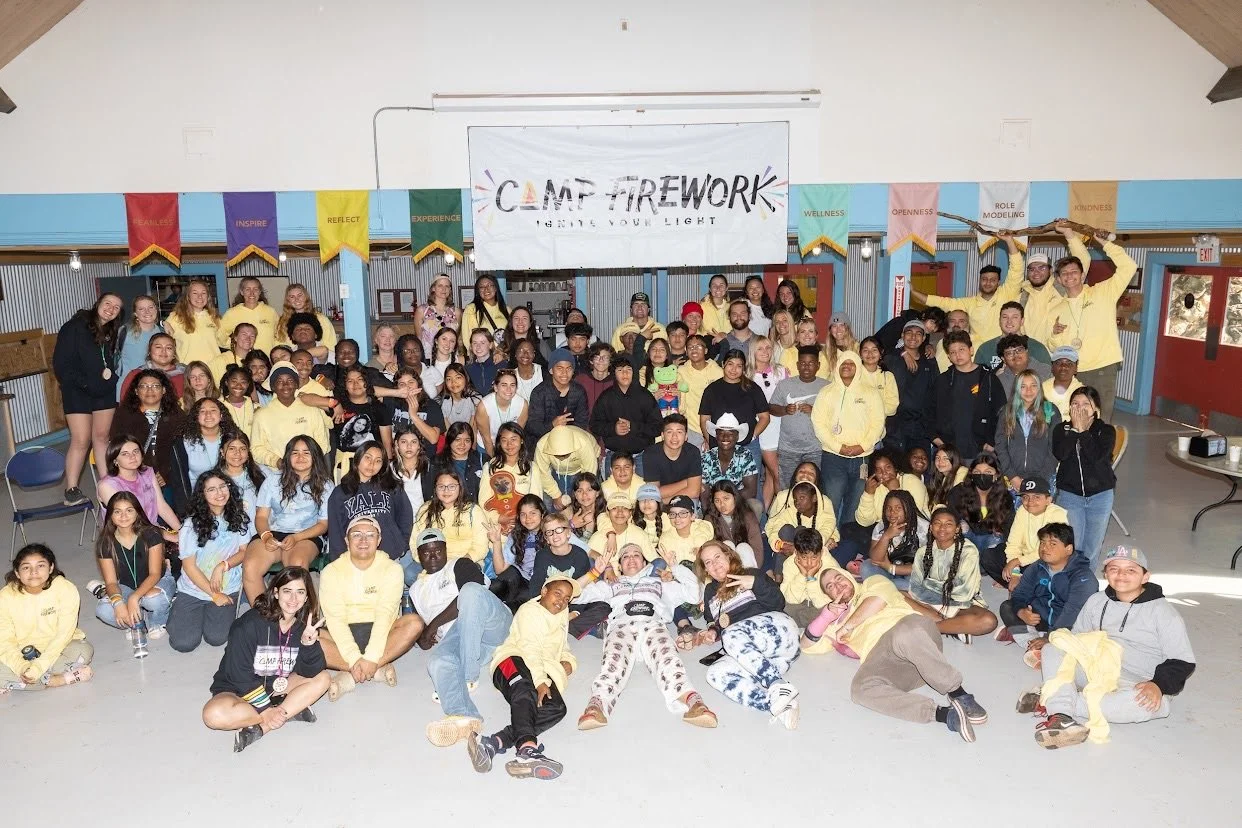
The Firework Foundation, co-founded by Katy Perry and Angela Lerche in 2018, is a nonprofit organization dedicated to empowering children from underserved communities through arts education, mentorship, and leadership development. Its mission is to help young people build confidence, creativity, resilience, and self-esteem by providing access to life-changing artistic experiences and opportunities that foster personal growth.
Its signature program, Camp Firework, is an immersive summer camp where children explore music, dance, visual arts, filmmaking, fashion, songwriting, wellness, and leadership in a supportive environment. Through year-round mentorship and youth leadership programs, the Firework Foundation helps participants develop creative skills, meaningful relationships, and the confidence to pursue their goals while reinforcing the belief that their future is defined by their potential—not their circumstances.

Frequently Asked Questions
-
Jonny Levy Therapy provides compassionate, individualized counseling for adults, parents, children, adolescents, and families. Services include individual therapy, parenting support and coaching, addiction counseling, chronic illness support, and childhood and adolescent therapy.
Each client's treatment plan is personalized based on their unique experiences, goals, challenges, and desired outcomes.
-
Getting started is simple. Reach out through our contact form or schedule a call—we’ll walk you through the next steps and answer any questions along the way.
-
Jonny Levy Therapy focuses on creating a personalized, collaborative, and supportive therapeutic experience. Rather than using a one-size-fits-all approach, Jonny works with each client to understand their individual story, identify challenges, and develop practical strategies for meaningful growth and change.
The goal is not only to address immediate concerns but also to help clients build lasting emotional resilience, healthier relationships, stronger coping skills, and greater self-awareness.
-
-
Jonny Levy works with a diverse range of clients, including:
Adults experiencing anxiety, stress, depression, or life transitions
Parents seeking guidance and support
Children and adolescents facing emotional or developmental challenges
Individuals navigating addiction and recovery
Individuals and families coping with chronic illness
People seeking personal growth and improved emotional well-being
Therapy is tailored to each person's age, circumstances, and goals.
-
Jonny Levy Therapy serves clients throughout Los Angeles and surrounding communities, including:
Beverly Hills
Bel Air
Century City
West Hollywood
Santa Monica
Malibu
Pacific Palisades
Brentwood
Westwood
Culver City
West Los Angeles
-
Yes. Jonny Levy provides compassionate addiction counseling focused on helping individuals understand the emotional, behavioral, and relational factors connected to addiction.
Therapy may support individuals working through:
Alcohol addiction
Substance use concerns
Recovery challenges
Relapse prevention
Emotional triggers
Stress management
Developing healthier coping strategies
Treatment is individualized and focused on sustainable, long-term change.